Society
Who is the New Global African?
At a Lagos members’ club, accents from across Africa blend into one conversation — revealing a new kind of identity shaped by movement, perspective, and global fluency.
Fatimah Sagir · 25 March 2026
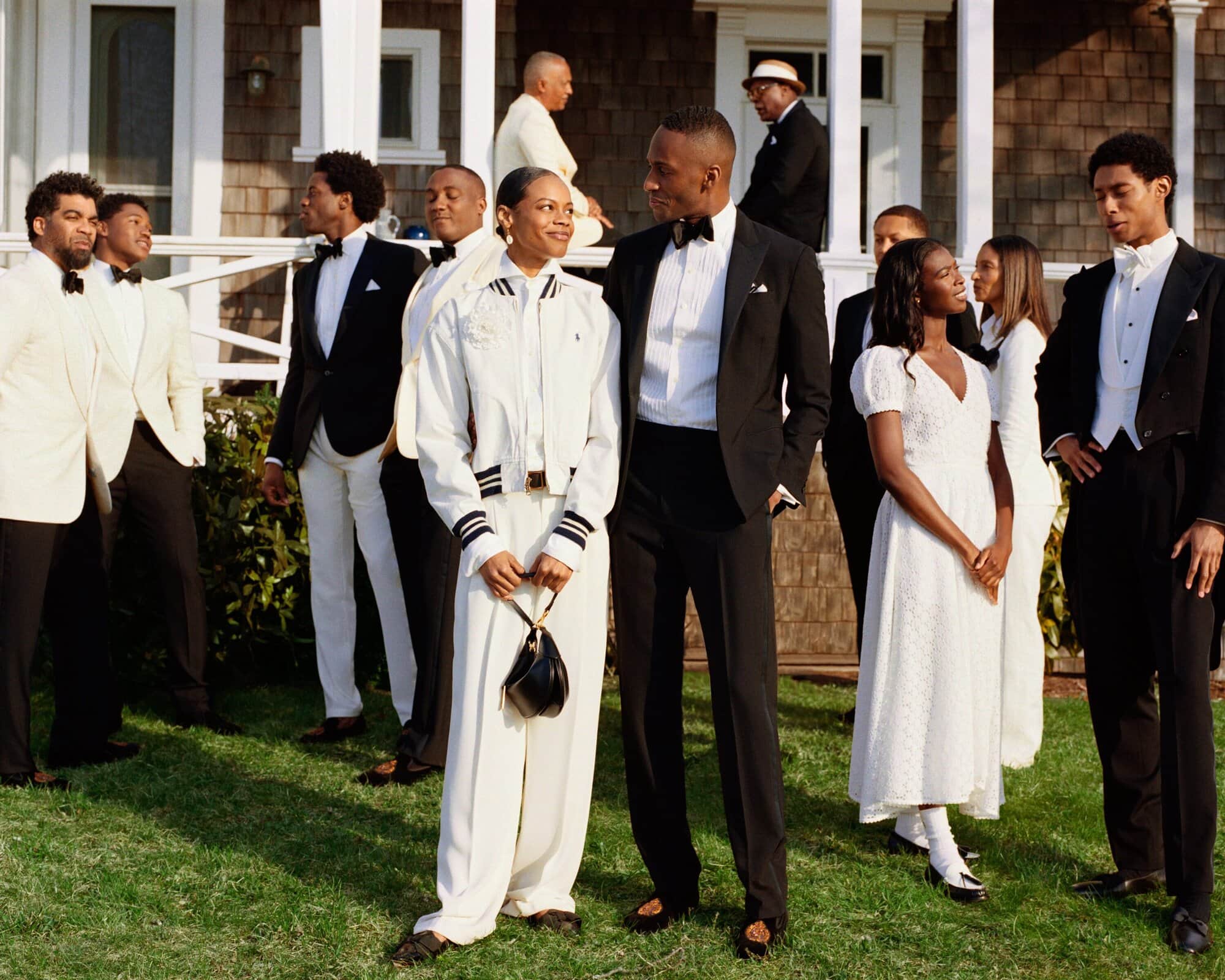
Late afternoon at a Lagos members club and the accents around the table are slightly confusing. One voice carries the rhythm of Nairobi, another sounds unmistakably South African, while a Nigerian laughs and slips easily between Yoruba and English mid-sentence. Everyone looks familiar, yet the conversation reveals subtle differences in tone, cadence and expression. At first it feels unusual. Then it becomes obvious. This is exactly what should have been happening all along — Africans from across the continent sharing the same spaces, the same leisure environments, the same intellectual and social circles. Entrepreneurs, creatives, investors and cultural figures move easily through the room, each bringing slightly different experiences but recognisably similar sensibilities. What becomes clear in moments like this is that a new type of African is emerging. Not entirely new, perhaps, but newly visible. If you’ve ever felt at home in Lagos and London at the same time, you already recognise this archetype. You see it in Lupita Nyong’o, whose elegance feels entirely at home in Hollywood while remaining unmistakably Kenyan. You see it in Trevor Noah, who can dissect global politics with ease while carrying the cadence of Johannesburg in his voice. You see it in Edward Enninful, who reshaped one of fashion’s most powerful institutions while quietly expanding the space for African creativity within the global industry. Different industries, different personalities. Yet something connects them. They are deeply African in identity — in how they speak, how they think, how they interpret the world. But they also move through global systems with remarkable fluency. For many people within this generation, the experience feels familiar. You grew up inside one world and learned to navigate another. Your childhood may have been in Lagos, Nairobi, Accra or Johannesburg, but your references stretch far beyond it. You understand the humour, the contradictions, the improvisation that makes African life function. At the same time, you understand global standards — how institutions operate, how markets function, how culture travels internationally. The interesting thing about this arc…