Living
What We're Reading Right Now
Let's talk about the intimacy of admitting what you are currently reading. Not what you have read, curated and considered in retrospect, but what is actually on your nightstand, half-finished, dog-eared
The Curator's Desk · 8 June 2026
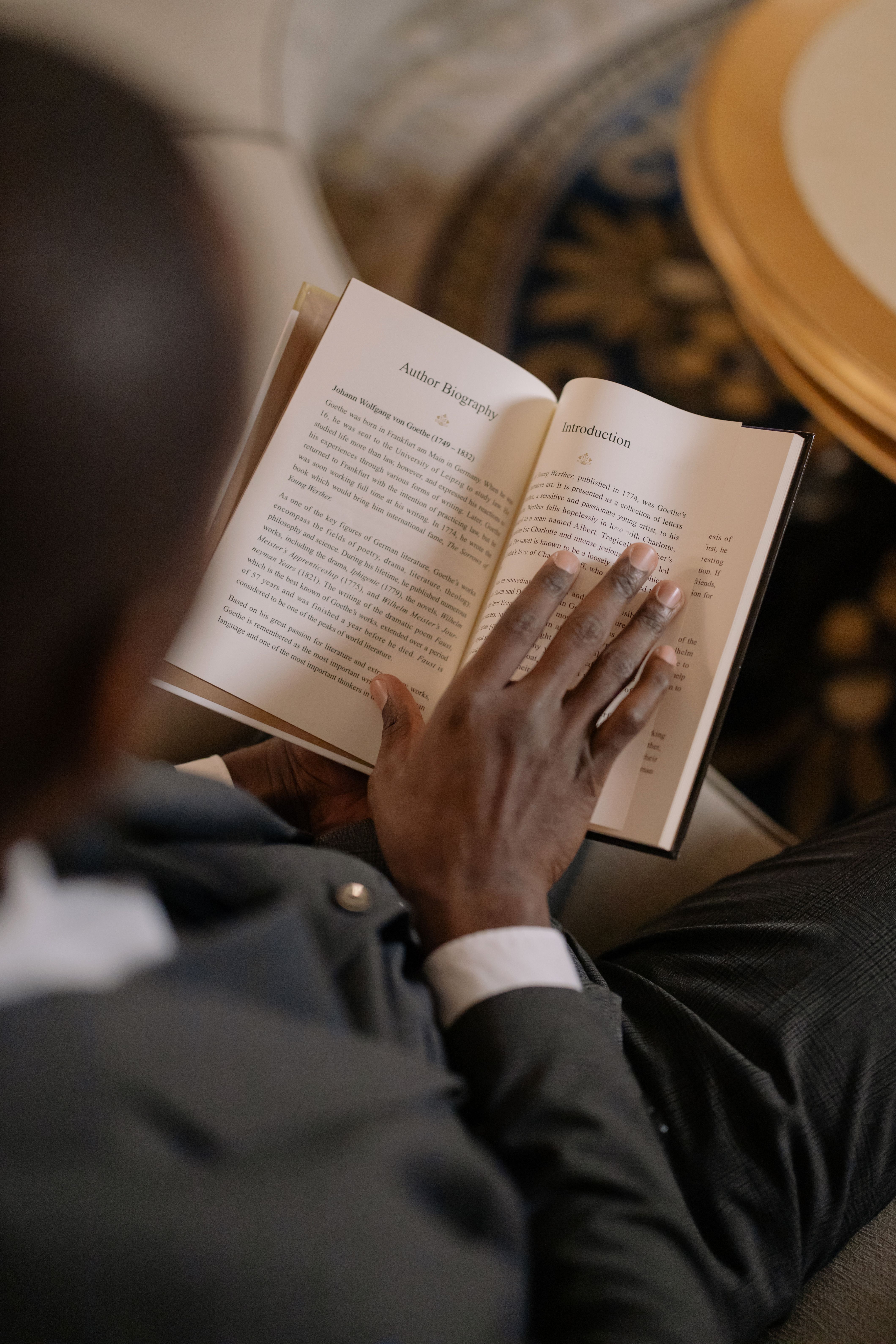
Let's talk about the intimacy of admitting what you are currently reading. Not what you have read, curated and considered in retrospect, but what is actually on your nightstand, half-finished, dog-eared, occasionally abandoned for weeks and then guiltily returned to. Reading lists are aspirational. Current reads are honest. The book you're in the middle of says something different about you than the one you've finished. It catches you mid-thought, mid-conversion, before you've had time to decide what you think or how to articulate it. "I'm reading it now" is an open sentence. It has no conclusion yet. There is also something worth noting about the physical life of a book in progress — the bookmark migrating slowly toward the back, the particular creak of the spine at a hundred pages in, the margin notes made in a different mood than the one you're in today. A book you are reading is a document of your attention over time, accumulated page by page. The culture of reading has become strangely competitive, quantified by apps that track annual totals and generate statistics. Fifty books a year. A hundred. The number becomes the point. But a book read slowly, absorbed rather than processed, is worth ten books skimmed for completion. Depth is not a metric that scales. What are you reading right now? Not what you think you should be reading, not what looks well on a list, but what is actually open on your lap or propped against the coffee pot? Is it holding you? Are you ready to be held by it? Sometimes the answer is not yet, and that is fine — the book will wait. Here's ours. St. Tropez · Maison Assouline Maison & Tavola There is a photograph somewhere in this book — we won't tell you which page, because finding it yourself is part of the pleasure — of a woman on a terrace in the early 1970s. She is not looking at the camera. She is looking at the sea. Her glass is almost empty. The light on the water behind her is the specific gold that only exists for about forty minutes each evening, and she appears to be in no hurry for it to end. This is what St. Tropez does best: it makes you feel that you have been somewhere you haven't, and makes you homesick for it anyway…