Culture
What the Medici Understood About Beauty
The Medici did not collect art because they loved beauty. They understood, with the precision of bankers, that beauty was the most durable form of authority a family could hold.
Folasade Ademola · 12 August 2026
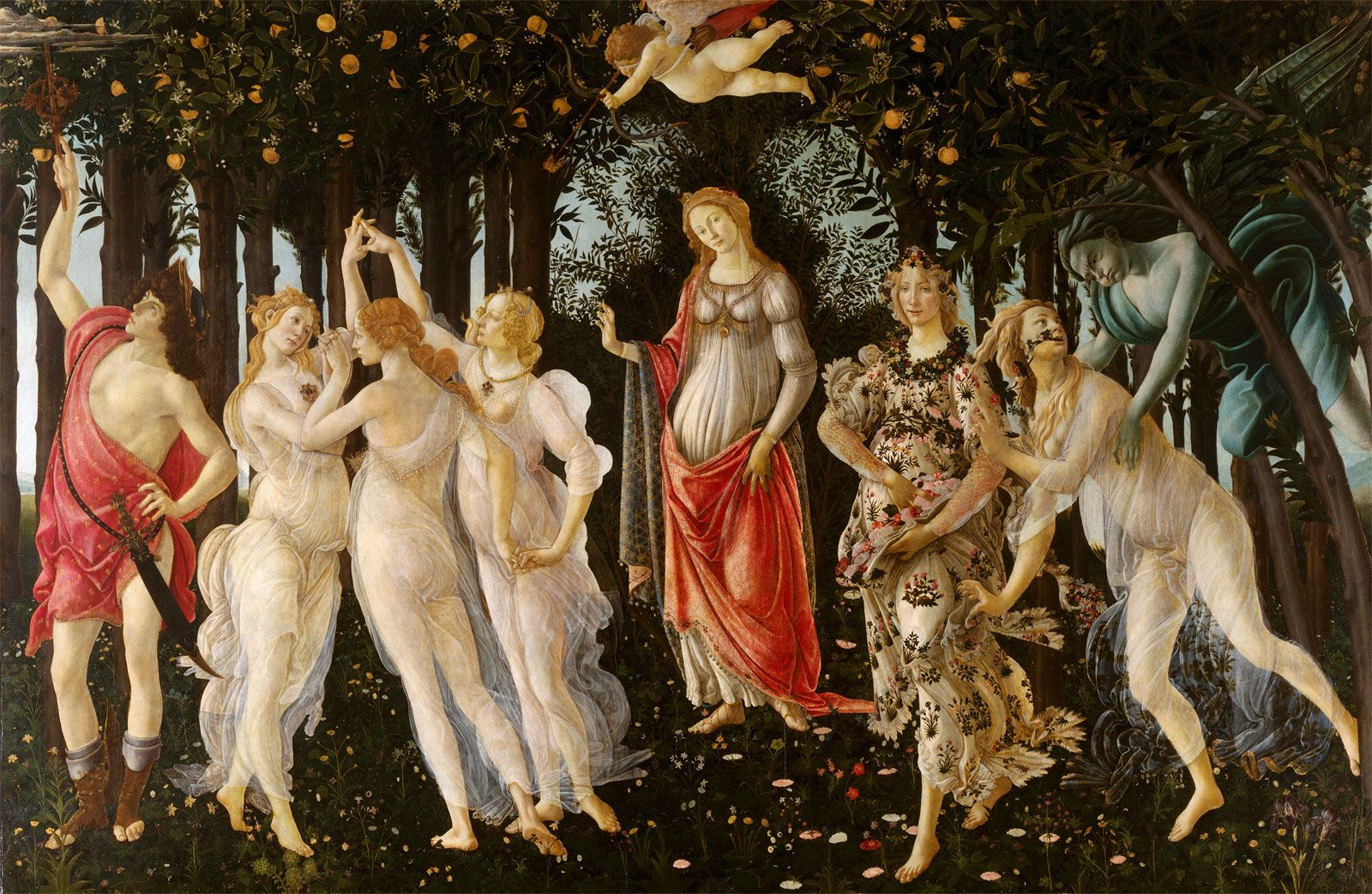
The chapel is small. Visitors who find it after navigating the stone courtyard of the Palazzo Medici Riccardi in Florence often stop in the doorway, surprised by what fits into a room this size. Three walls are covered floor to ceiling in a procession of figures moving through a Tuscan landscape of cypress trees and rocky hills: horses, falcons, peacocks, young men in brocade, each face its own face, each piece of harness and saddlecloth rendered with the attention of someone who has handled the actual materials. The gold in the bridles catches the light from the chapel's high windows and gives the whole scene the quality of something that is still, somehow, in motion. Several of the faces are Medici. Cosimo de' Medici, the family patriarch and the most powerful man in Florence, is placed among the Magi themselves, riding in the sacred procession as if it has always been his rightful position. His son Piero is there, and his grandson Lorenzo, each of them moving through the gilded crowd with the composure of people who find nothing surprising about the arrangement. Benozzo Gozzoli, who completed the work in 1459, was not painting religious sentiment. He was painting an argument: that the Medici and the sacred narrative of Western civilisation occupy the same ground, belong to the same story, and have always done so. The family had placed itself inside history, literally and in gold, on three walls of a private room in the middle of Florence. The Journey of the Magi to Bethlehem, from the east wall of the Chapel of the Palazzo Medici Riccardi, Florence, by Benozzo di Lese di Sandro Gozzoli, c.1459 © Bridgeman Images The Medici were not noblemen. Giovanni di Bicci de' Medici founded the family bank in 1397, and by the time his son Cosimo inherited it in 1429, the operation controlled the papal accounts, financed the English wool trade, and ran branches in London, Venice, Geneva, Bruges, and Rome. They had become, through the meticulous management of risk, capital, and long relationships, the most powerful private family in a city that had chosen, instead of a king, the endlessly contested machinery of a republic. In Florence, power carried no hereditary guarantee.…