Wealth
What the Greatest Hotels in the World Are Actually Teaching You
Three hotels, three founders, three decades-old bets that paid off. Badrutt's Palace, Raffles, and Hôtel du Cap-Eden-Roc were never built to be liked. They were built on conviction, place, and originality, and that is the real reason they lasted.
The Leisurely Life Journal · 26 August 2026
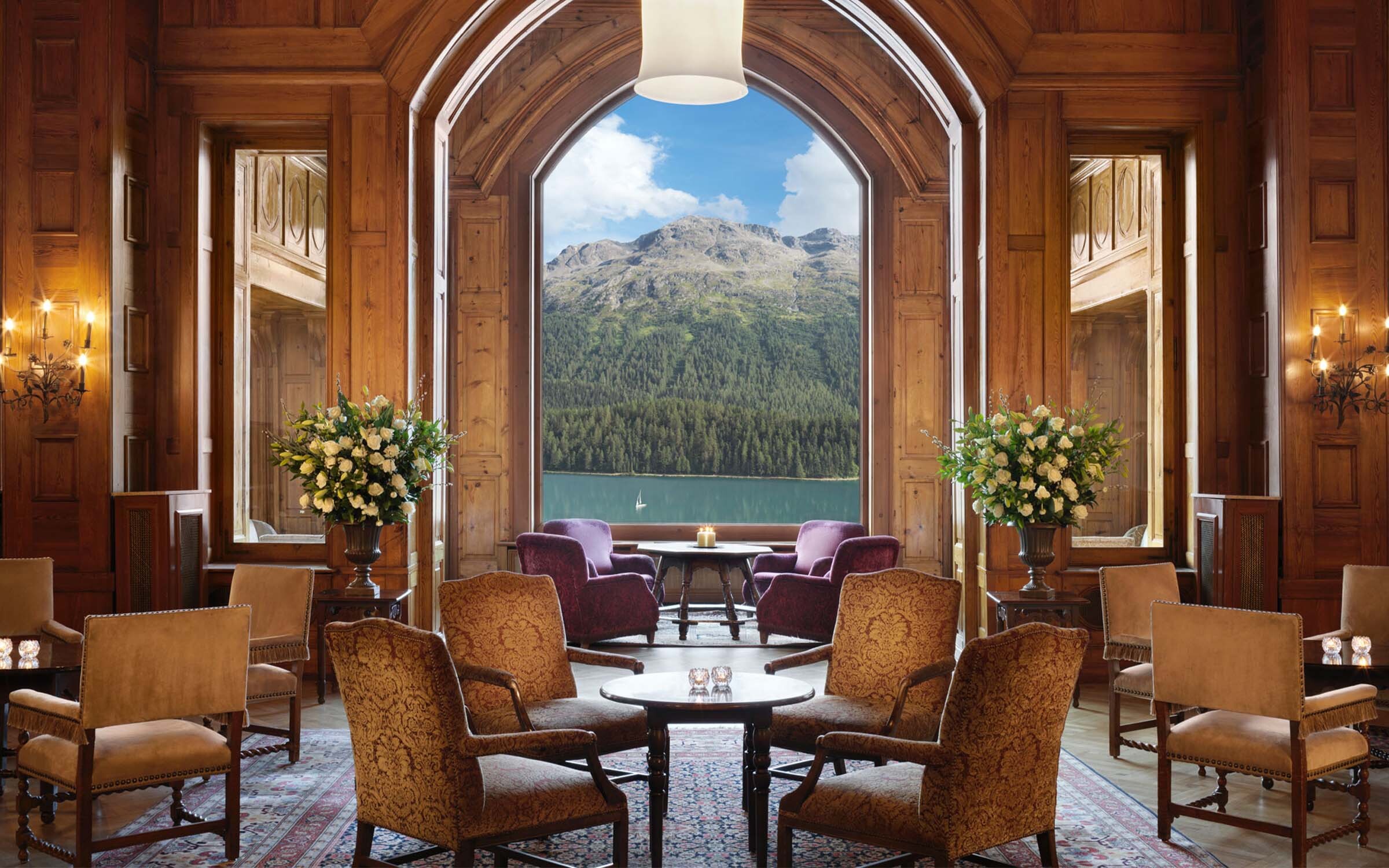
A hotel, at its most transactional, is a room for the night. But the hotels that have lasted, the ones that accumulate mythology across decades, that appear in novels and love affairs and the kind of memories people describe on their deathbeds, are teaching something more durable than hospitality. They are teaching a philosophy. Three in particular have something specific to say. Badrutt's Palace, St. Moritz: The Lesson of Conviction The Badrutt family hotel dynasty began in the early 19th century in the nearby village of Samedan. It was Johannes Badrutt, a far-sighted strategist, who first put St. Moritz on the map, through an act of pure, audacious conviction. In the 1860s, he made a bet with a group of English summer guests: come in winter, he told them, and if you don't enjoy it, I will pay for everything. They came. They stayed. They returned. Badrutt's Palace, St. Moritz That wager is the founding myth of Alpine winter tourism. One man's certainty about something the world had not yet agreed on, that the mountains in winter were something to be celebrated rather than endured, changed the direction of an entire industry. His grandson Caspar opened Badrutt's Palace in 1896, and the hotel has operated across five generations of the same family ever since. Crowned GaultMillau Hotel of the Year 2026, it continues to be driven by the same pioneering instinct its founder wagered everything on. Alfred Hitchcock visited on his honeymoon and became a regular for decades. It was watching alpine choughs circle the hotel's tower that reportedly gave him the idea for The Birds. Bridgette Bardot stayed. So did Coco Chanel. The world kept arriving, drawn by the original conviction that this place, cold, high, improbable, was worth arriving for. The lesson is not about luxury. It is about the willingness to believe in something before anyone else does, and to build something worthy of that belief. Conviction, held long enough and executed with enough care, has a way of becoming legacy. Raffles, Singapore: The Lesson of Place In 1887, at the dawn of the Golden Age of Travel, four entrepreneurial Persian-Armenian brothers, the Sarkies, opened a modest 10-room hotel in Singap…