Culture
We Like You Better When You Don’t Speak
A deeply personal essay on identity, performance, diaspora, and the quiet pressure to become someone more palatable online. Nothando reflects on culture, self-erasure, and finding her voice again.
Nothando Nyathi · 21 May 2026
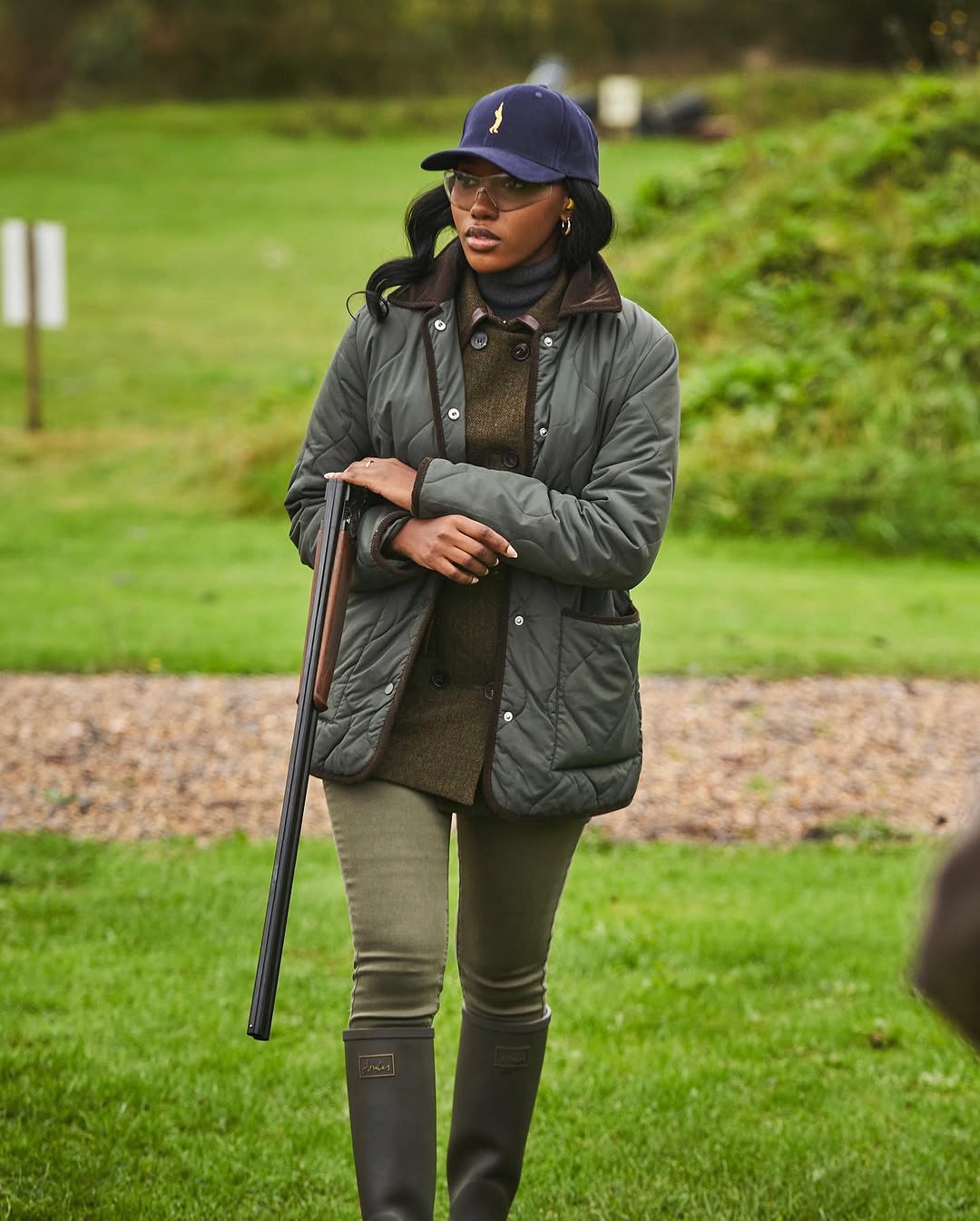
I had tried my best to hide her. The little girl who grew up playing in the blood coloured streets of Kuwadzana, where the red soil on her feet and clothes was proof enough of a childhood well spent. The little girl who spent a season in Plumtree with ugogo and came back speaking her father’s tongue, forgetting how she once could articulate her mother’s language, so much so that the family jokingly called her a tape recorder. The little girl who loved kumusha (the countryside) so much that she’d be filled with excitement when gogo from Zhombe would say “let me take her with me,” and I’d end up having the time of my life. The little girl who spent the school term in classrooms that taught her how to become someone else would now throw away the costume and play in the mountains of Mutoko during the school holidays. It started in Mr. Langeveldt’s class. 2007. Eleven years old. I’ve written about that day before; you can find it here . Two decades later. A different room. The same ceremony. Here’s how the routine would go. Hours of scrolling, looking for the right inspiration. Classic, chic, English countryside. Anything that didn’t remind me and my audience of the little girl. I had spent years curating the perfect image. I’d pick an outfit. Well, it wasn’t really hard when brands were sending me gifts. It was an exchange: they’d tick the box of diversity and inclusivity whenever my image was plastered on their social media pages, and I’d have a constant supply of clothes so I could carry on influencing young women like Grace and Njeri. Grace, who is also looking to run away from the little girl who grew up in Oyo State. Now living in a house share in Croydon, consuming the English countryside fantasy the same way I consumed it. Not to visit. To become. To replace the part of herself that grew up somewhere the algorithm decided wasn’t aspirational enough. And Njeri. Scrolling, seeing the ‘perfect life’ and wishing she’d escape her father’s house in Mombasa. Three women. Three cities. One performance. Nobody home. So I carefully curated the aesthetic. Picked the perfect location. On days I didn’t have a photographer, I’d set up my tripod, pose perfectly, check the l…