Living
From Accounting to Michelin-Starred Kitchens: Seun Tandoh on Mastering the Fundamentals
Chef Seun Tandoh reflects on his journey from accounting to Michelin-starred kitchens, sharing lessons on discipline, precision, identity, and what it truly takes to become a chef.
Folasade Ademola · 30 April 2026
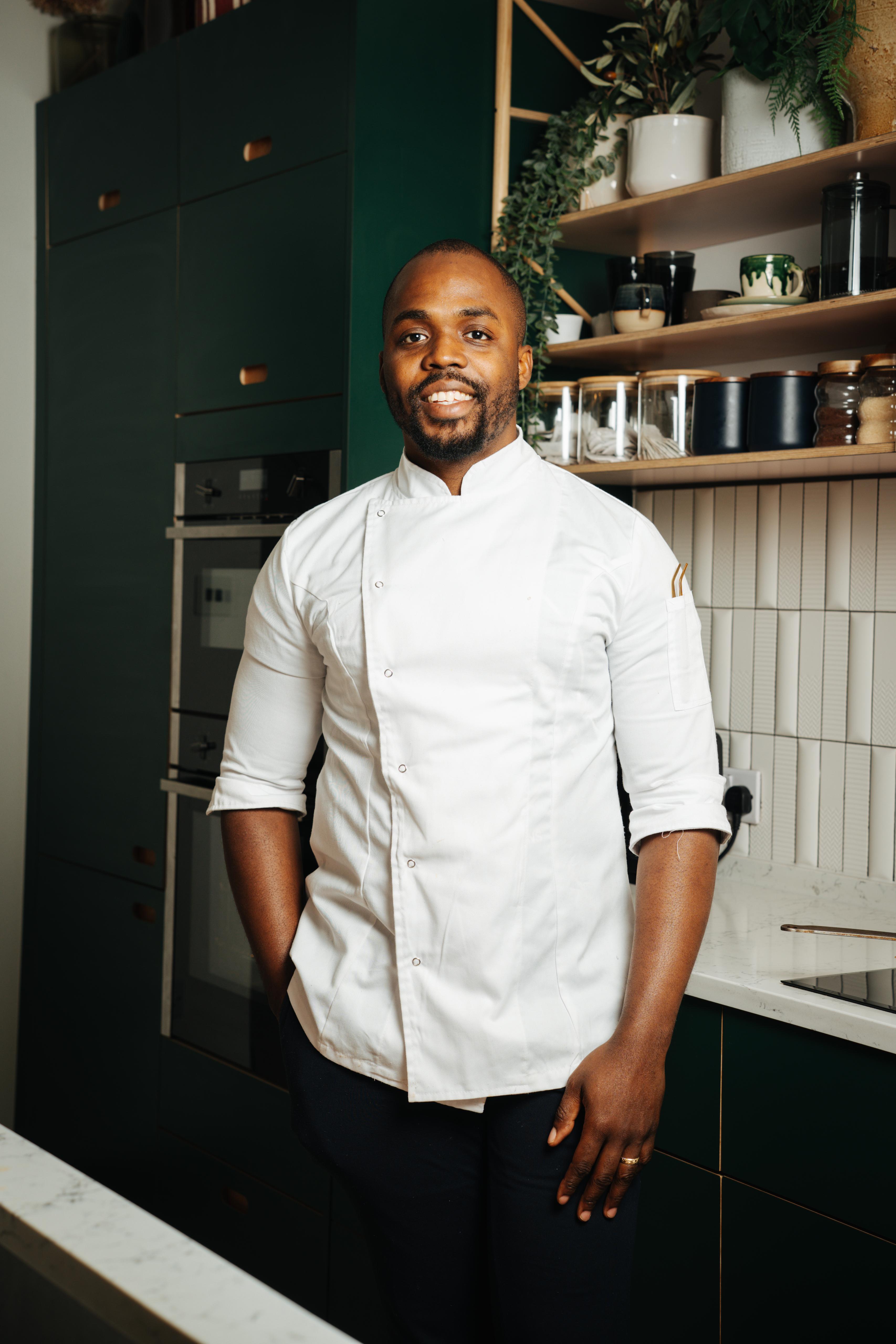
Seun Tandoh came to food the way most serious things are arrived at: sideways, through a door he had not planned to open. He began in accounting. It was a reasonable choice, the kind of choice made when you are following a path rather than forging one, and it lasted precisely as long as it needed to before the kitchen made itself impossible to ignore. When he describes what happened next, there is no drama in his voice, no performance of the turning point. What started as curiosity became, in his own words, an obsession. The journey that follows does not announce itself as extraordinary until you sit with someone who has lived it and watch them account for it with the same composure they bring to everything else. Le Cordon Bleu. A stage at Hostellerie Le Fox in Belgium, two Michelin stars, where the standards of fine dining are absorbed, not explained. Then The Little Nell in Aspen, Colorado, the kind of resort that operates at a pace and pressure most kitchens never reach. A return to Nigeria. A national cooking competition, top four out of over two hundred. Then London again, this time Akoko, the Michelin-starred restaurant where African cuisine is treated with the seriousness it has always deserved. Eleven food environments in total, running the full range from hospital kitchens to private aviation dining operated by a two-Michelin-starred chef. Each one a different layer of the same person. He is the Head Chef at Nova Chelsea now. He tells us about his ambitions to open a food truck called Naij Burritos that brings high-level thinking into an accessible format. The man who learned to cook an omelette with the precision of a surgeon, is the same man who wants to hand food directly to someone on the street and watch them eat it. There is a philosophy in that, and it runs through everything he does: the kitchen is not a place to perform, It is a place to communicate. He is still, by his own account, scratching the surface of what he can become. Listening to him, you get the feeling that it is less like modesty and more of an accurate diagnosis. This perspective is best understood by looking at the specific moments that defined his standards. The following conve…