Living
The Morning Ritual, Slowed Down
Daily Moments & Rituals
The Curator's Journal · 4 June 2026
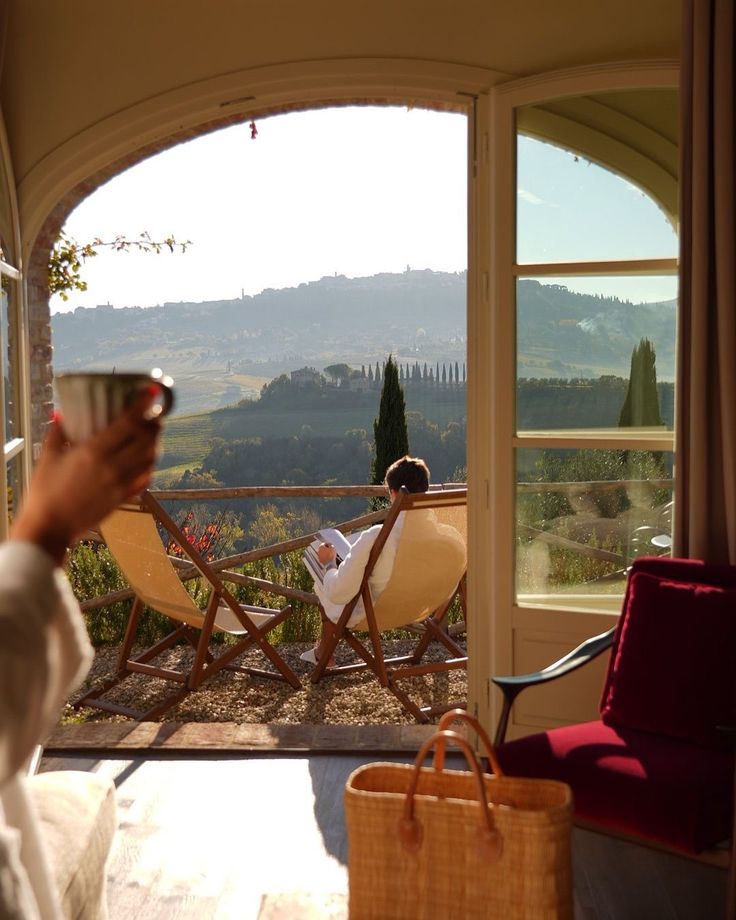
A window of morning belongs entirely to you. Before the phone, before the obligations, before the day makes its demands, there is a slice of time, sometimes only twenty minutes wide, where the world moves at your pace. The ritual matters less than the slowness. It might be coffee ground by hand, the kettle brought to a careful temperature, the cup warmed before it is filled. It might be nothing more than sitting at the kitchen table while the light shifts from grey to gold. What distinguishes a morning ritual from a morning routine is intention, the difference between doing something and inhabiting it. Civilisations have understood this. The Japanese have their tea ceremony, the French their café au lait taken standing at a zinc bar, the Swedes their fika. The none productivity hacks that are just small architectures of pleasure, built to make the start of a day feel like something rather than nothing. The modern morning has been colonised by efficiency. We are told to wake at five, cold-plunge, journal for twenty minutes, read non-fiction, and arrive at our desks having already accomplished six things. In reality, this is hardly a morning and more of a second shift. Consider, instead, the morning that resists. The one where the kettle is the loudest thing. Where you finish your coffee before it's cold. Where the magazine is folded in half and read with both hands, unhurried, the way it was designed to be. Where the first hour is given over not to output but to the slow, essential business of becoming present. The rest of the day will be busy enough. It always is. But mornings taken slowly have a way of flavouring everything that follows — a steadiness, a quality of calm that is harder to manufacture once the world has gotten its hooks in. Set nothing for the first hour. Let the ritual be whatever it needs to be. The day will not suffer for it. If anything, it will benefit from a person who arrived at it fully, rather than breathlessly.