Art & Design
The Discipline of Looking: Sunshine Alaibe on Taste, Inquiry, and the Ecosystem African Art Needs
"Good taste in art is being able to see beyond the surface; to identify, outside of what you can see, what is important to the piece you are encountering."
The Edit Room · 21 July 2026
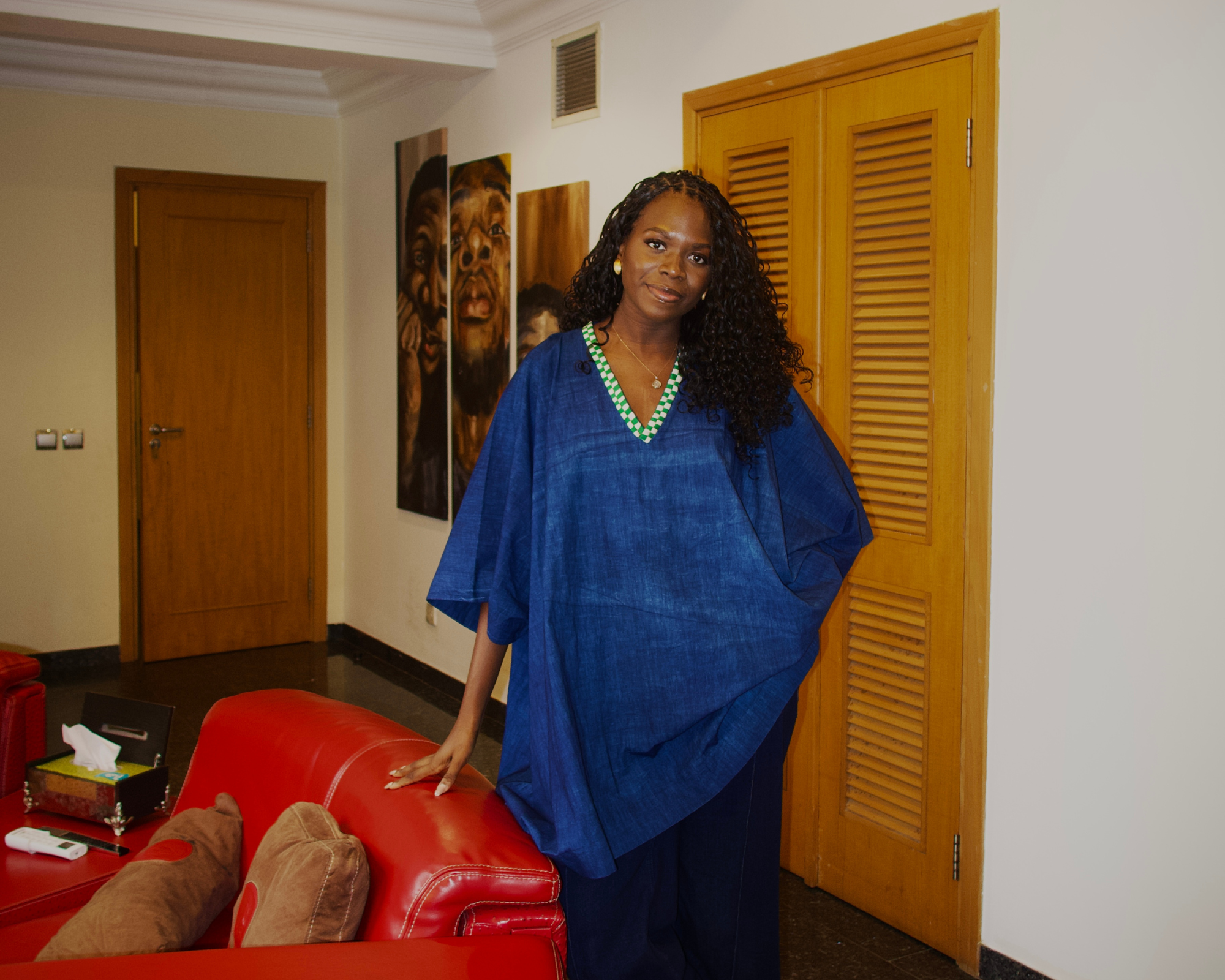
This story is part of our Taste series, where we ask people who have devoted their lives to a craft one simple question: what is good taste, and how do you get it? Sunshine Alaibe talks about art the way someone who has spent years inside its machinery does: with the particular kind of confidence that comes from having done the unglamorous work. There is no performance, no softening of the language for an audience that might not understand. She trained in art history, added a business degree, and then returned to Lagos and went, in her words, knee-deep: working for gallerists, curators, collectors, and foundations. In March 2026, she closed the third edition of Lagos Gallery Weekend, the creative festival that gathers the city's galleries, artists, and the stakeholders who have built its ecosystem. What has emerged from these experiences is not a manifesto but a method, a way of looking, and a conviction about what African art needs next. Sunshine Alaibe Ask her to define good taste and she resists the easy answer. "Good taste in art," she offers after a pause, "is being able to see beyond the surface; to identify, outside of what you can see, what is important to the piece you are encountering." It is a definition that puts the burden on the viewer rather than the object, and she is unsparing about what that burden entails. Stand in front of the work first, she advises. Look at the texture, the colour, the composition. If it is figurative, look at the face and ask who this person is, to you, and to the world the artist is working within. Only then reach for the curatorial text. What she refuses, gently but firmly, is the anxiety of not understanding. Art, she argues, does not always arrive carrying its own interpretation, and sometimes that is precisely the point. "Sometimes you're meant to look at it and be confused," she says. "It's that inquiry that is important to your experience." If an artist has gone through the labour of making something with intention, even intention you cannot immediately parse, the confusion is an invitation, not a failure. Being able to ask why is the reason you came. Aaron Kudi: Epistle To The Red Dust/©Adegbola Gallery This insist…