Style
Hertunba’s Latest Collection Is a Statement of Intent
A closer look at Hertunba’s latest collection, Akaọrụ̄ — a refined celebration of Aṣọ Oke, Nigerian craftsmanship, and the growing global power of African fashion.
Fatimah Sagir · 23 April 2026
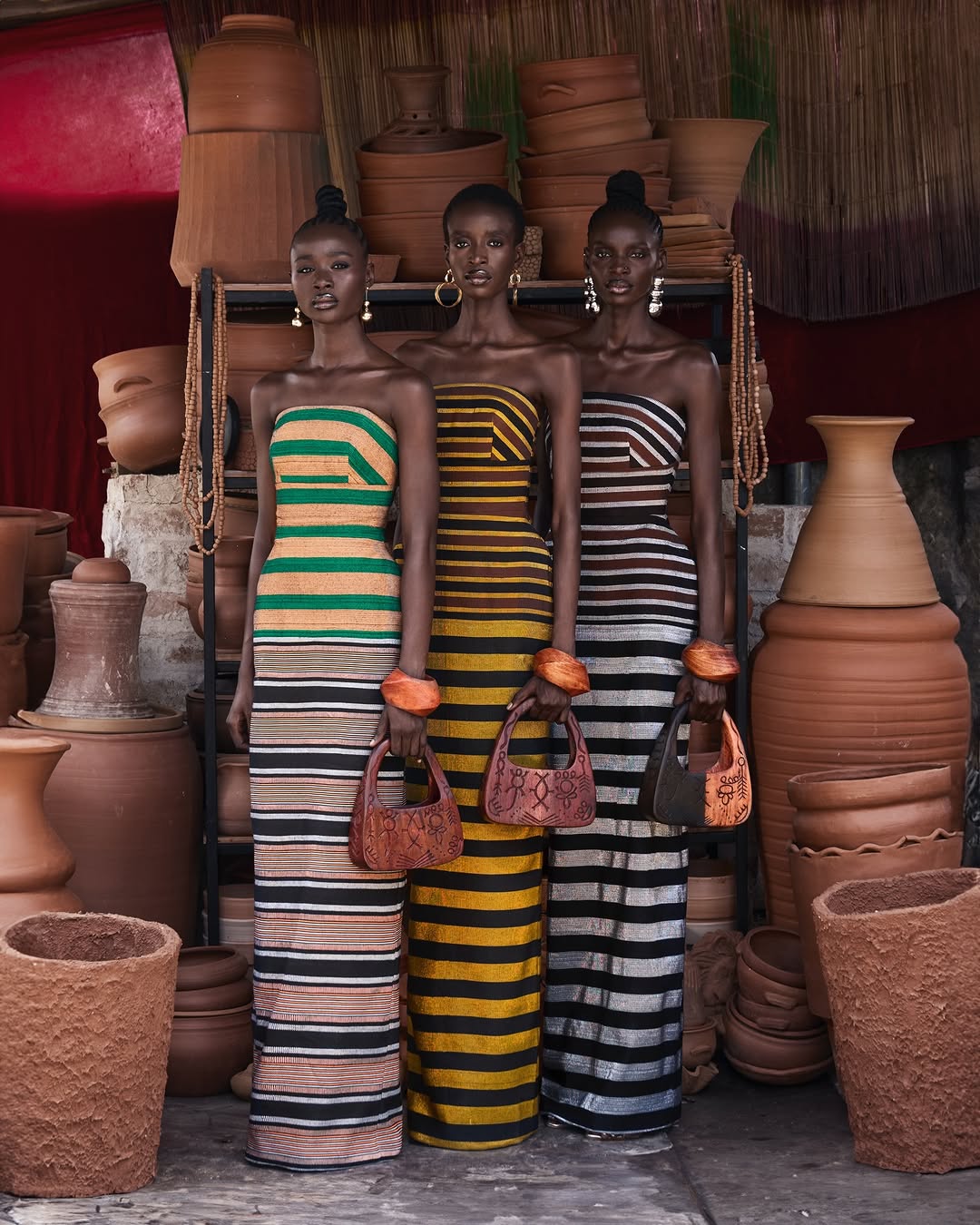
There is only one designer, in my view, currently making true art with clothing: Hertunba. You may disagree, and perhaps you should. Taste is healthiest when argued over. But I’d argue few labels are producing work with this level of identity, consistency, and conviction. The first sign, for me, was the Dona dress. Seen on Eni Popoola, it had presence. Later, the same piece appeared on Nara Smith, moving through her now-famous domestic tableaux while casually making a Sloppy Joe — exactly the sort of surreal modern image fashion now produces. Strong visibility for the brand, certainly. But I’ve never believed celebrity placement should make the decision for us. A look may be gifted, borrowed, seeded, or simply worn once for effect. It tells us something about reach, not necessarily about merit. The more interesting question, I think, is whether the work can stand without borrowed shine. Can one successful piece become a language? Can a label move beyond the lucky moment and into authorship? That is where the latest collection, Akaọrụ̄ — translated as Handwork — becomes persuasive. Released on the 12th of April, I first encountered the collection on an international fashion page, where it had that rare quality of stopping the scroll. Each look felt vibrant, richly detailed, and possessed a depth that was difficult to put into words. There was something in the collection that asked to be felt as much as seen. Proportion, styling, casting — all of it worked in service of a clear point of view. The models did not merely wear the pieces; they carried the spirit of them. Curiosity eventually led to the Hertunba store in Victoria Island. Only a limited selection was available in-store. “We are an online store,” the attendant explained. Fair enough, though I won’t pretend it wasn’t mildly frustrating. Clothes of this kind ask to be experienced properly. One wants to feel the fabric, inspect the finish, understand the weight of the garment in the hand. Images can seduce; touch is less forgiving. What makes the collection particularly compelling is its use of Aṣọ Oke — the historic Yoruba handwoven textile long associated with ceremony, prestige, and occasion. It is fabri…