Culture
Food as a Status Symbol — Part 3: Palette Cleanser
The gender paradox in food status games.
Sade Onabowale · 11 May 2026
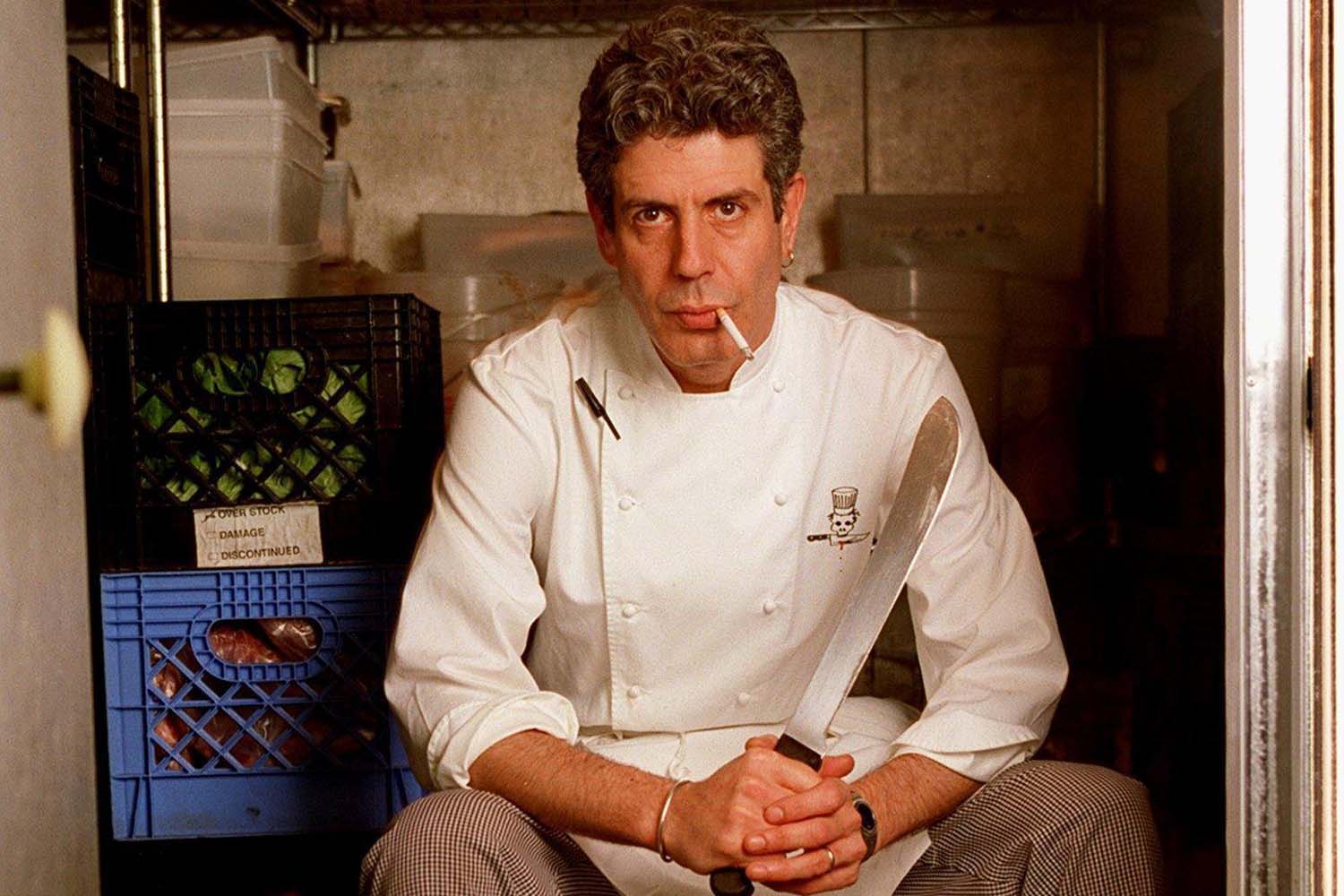
The Contradiction of Culinary Authority One of the most striking aspects of food as status exists within its gendered contradictions. While women dominate food-related social media content creation by posting 70% of food photos on Instagram (which is essentially unpaid marketing by the way), according to various studies, the traditional power structures of the culinary world remain stubbornly male-dominated. Professional kitchens operate under hierarchical, often militaristic structures that historically excluded women. The celebrity chef phenomenon overwhelmingly features men, from Auguste Escoffier to Gordon Ramsay to Anthony Bourdain. Recently, the 50 best restaurants came out earlier this year, and if you take the time to research, most of these are headed by men. This reflects broader patterns where activities associated with domestic femininity become prestigious and well-compensated only when dominated by men. Anthony Bourdain for The Observer The most influential food critic creators have traditionally been men, too, wielding enormous power over restaurant success and failure. Critics like Craig Claiborne, Jonathan Gold, and Pete Wells, to the likes of Top Jaw today, have shaped the culture of where people eat, while women are rarely to be found in this space. (sidebar: given the recent rise in Ozempic and other appetite suppressants, coupled with skinny being in again, I imagine we’re only going to see fewer and fewer women in this space, even though women eat out just as much as men do). The Economics of Food Status Access to certain dining experiences remains closely tied to disposable income, which intersects with gender pay gaps and economic inequality. While women may be more active in documenting food experiences, the financial power to access exclusive dining often rests with men or requires dual incomes in most societies (I also wrote about this earlier in the year on the economics of dating) . The rise of "foodie culture" has created new spending categories that disproportionately impact households. The pressure to dine at trendy restaurants, purchase artisanal ingredients, or document elaborate meals creates financial stress masked as lifestyl…