Society
A Study in Restraint
On what we wore, what we kept, and what we always knew about the quieter kind of power.
Folashade Ademola · 9 March 2026
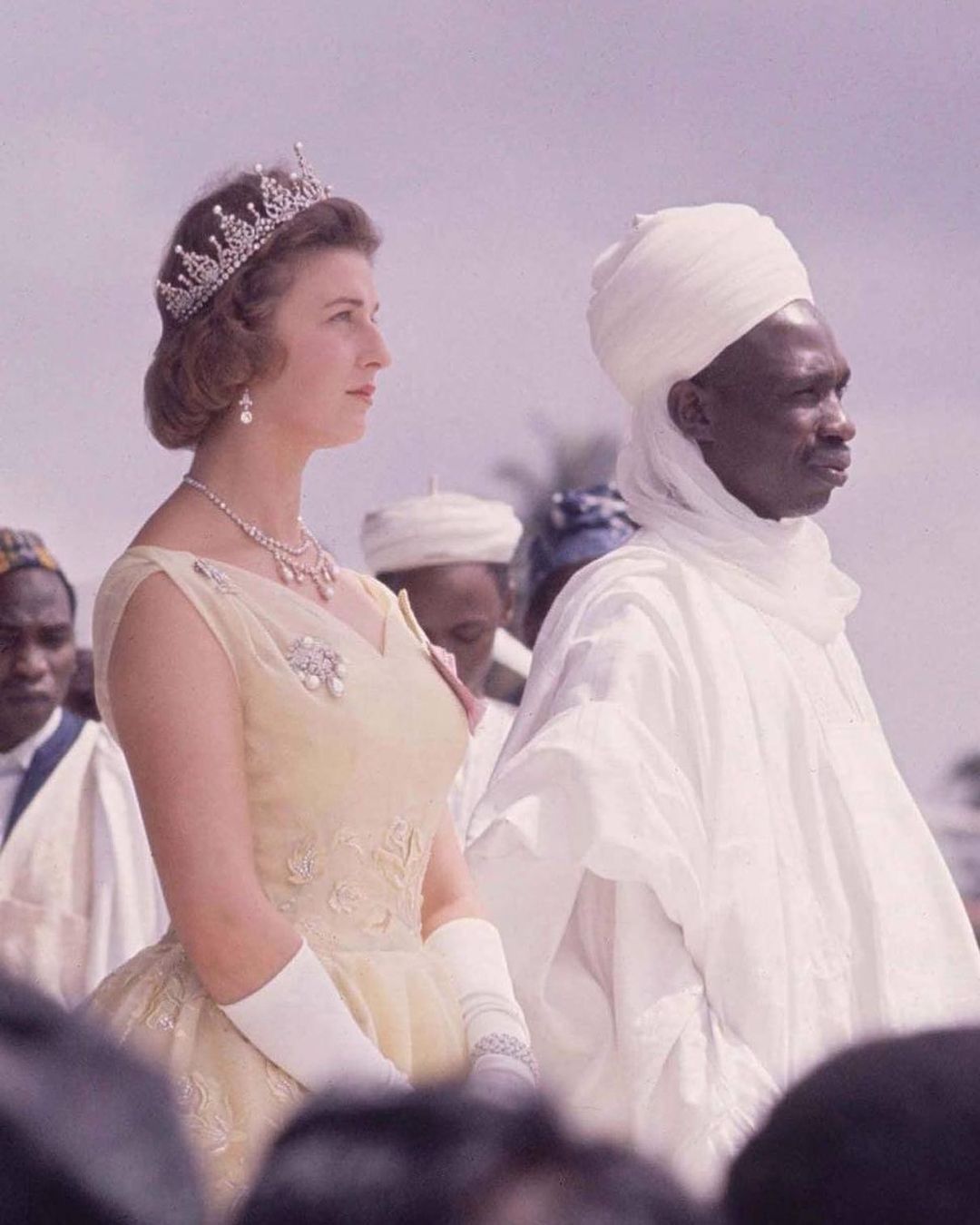
She arrives at the gathering in ivory. Not white - ivory, that particular warmth that reads differently against African skin, that needs no styling because it is already decided. There is no jewellery. There is no excess fabric. The aso-oke was woven by someone who understood that the geometry of the cloth is itself the ornamentation, and she, who has dressed at the highest levels for thirty years, has finally arrived at the same understanding. The room notices. The room does not know why. That is restraint. An intention so complete it leaves no loose ends. Restraint, in the Western luxury canon, is Quiet Luxury. Old money. The Bottega Veneta school of thought. No logos, no display. But that framing was never built with us in mind, and if we simply adopt it, we have adopted a trend dressed as philosophy. The more interesting question is what restraint looks like when it comes from a culture of abundance. African wealth has historically expressed itself through generosity, ceremony, and visible excellence. The Oba does not whisper. The Asantehene does not go unadorned. So restraint, for us, is not about subtraction by default. It is about intention. The deliberate choice to hold back, when you could have done more, because you understand that the more powerful statement is often the quieter one. Okyenhene Osagyefuo Nana Amoatia Ofori Panin, traditional king of Akyem Abuakwa, Ghana. Image by The New Humanist Study I: The Grammar of Restraint in African Style. Western minimalism often emerged as a reaction to excess, born from societies that had accumulated more than they needed and chose to perform having less. Our relationship with restraint is older and more precise. It is built on a different question entirely - Have you earned the right to wear this? In Akan tradition, the Kente cloth is one of the most sophisticated visual languages ever produced by any civilisation. Woven in narrow strips on horizontal looms, each pattern carries a name, a meaning, and critically, a designated wearer. The Asantehene, the King of the Asante people of Ghana, holds exclusive rights to certain patterns. To wear one without the standing to do so was not a fashion mistake. It was…